
Understanding IP Ratings
Selecting the right light for a bathroom or outdoor area is about more than choosing the right finish or colour temperature. Once moisture, steam, or rain enters the picture, environmental exposure dictates the specification through an internationally recognised standard: the Ingress Protection (IP) rating.
Here is a practical guide to decoding IP ratings, navigating Australian bathroom compliance zones, and selecting fittings that perform reliably for years to come.

What is an IP Rating?
An IP rating is a standard defined by the International Electrotechnical Commission (IEC) that indicates a fixture’s level of protection against two things: solids (like dust and dirt) and liquids (like water and steam).
It always appears as the letters 'IP' followed by two numbers (e.g., IP44 or IP65).
The First Digit (0–6):
This number tells you how well the light is sealed against solid objects. The higher the number, the finer the particle it can keep out.
The Second Digit (0–9):
This is the one we pay closest attention to in bathrooms and outdoors, as it measures moisture resistance, scaling from vertical condensation drops to high-pressure water jets and continuous submersion.

Choosing Your Number
While the complete scale covers dozens of combinations, most residential and commercial projects can be simplified into two clear guidelines:
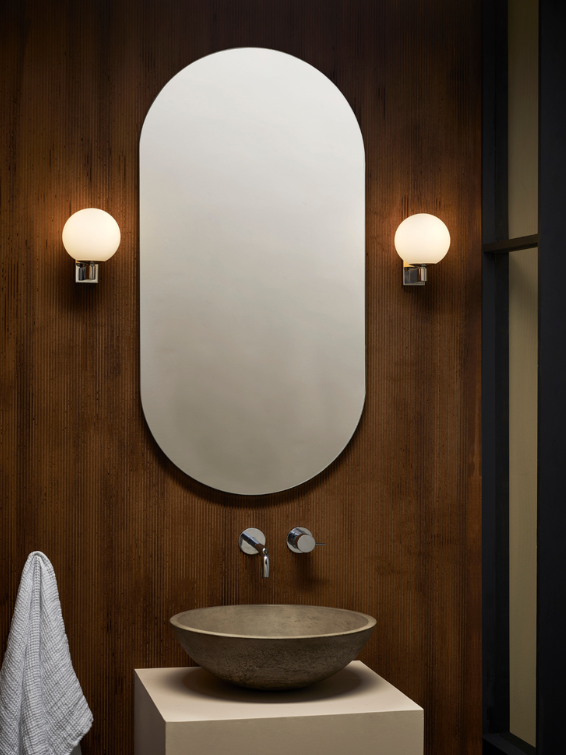
Bathrooms: Treat IP44 as your baseline across the entire bathroom ceiling and vanity zones. For areas subject to direct water spray, including enclosed showers and low ceilings over baths, step up to IP65, or IPX7 for recesses that can hold water.
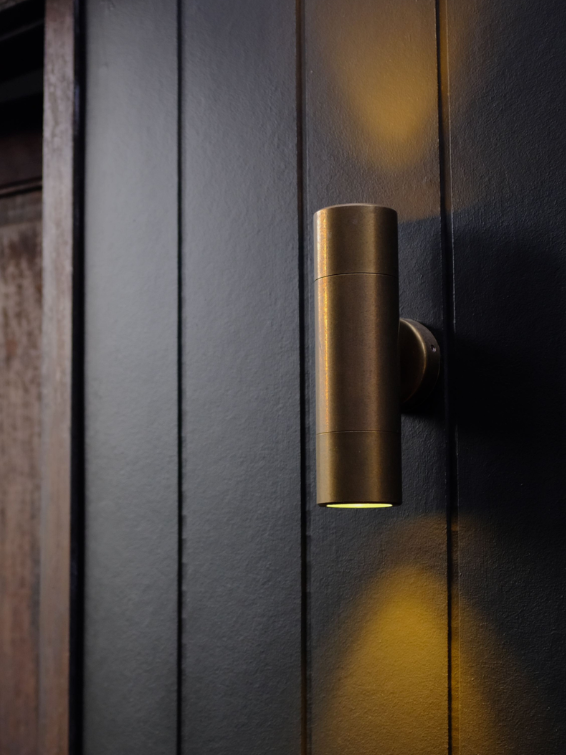
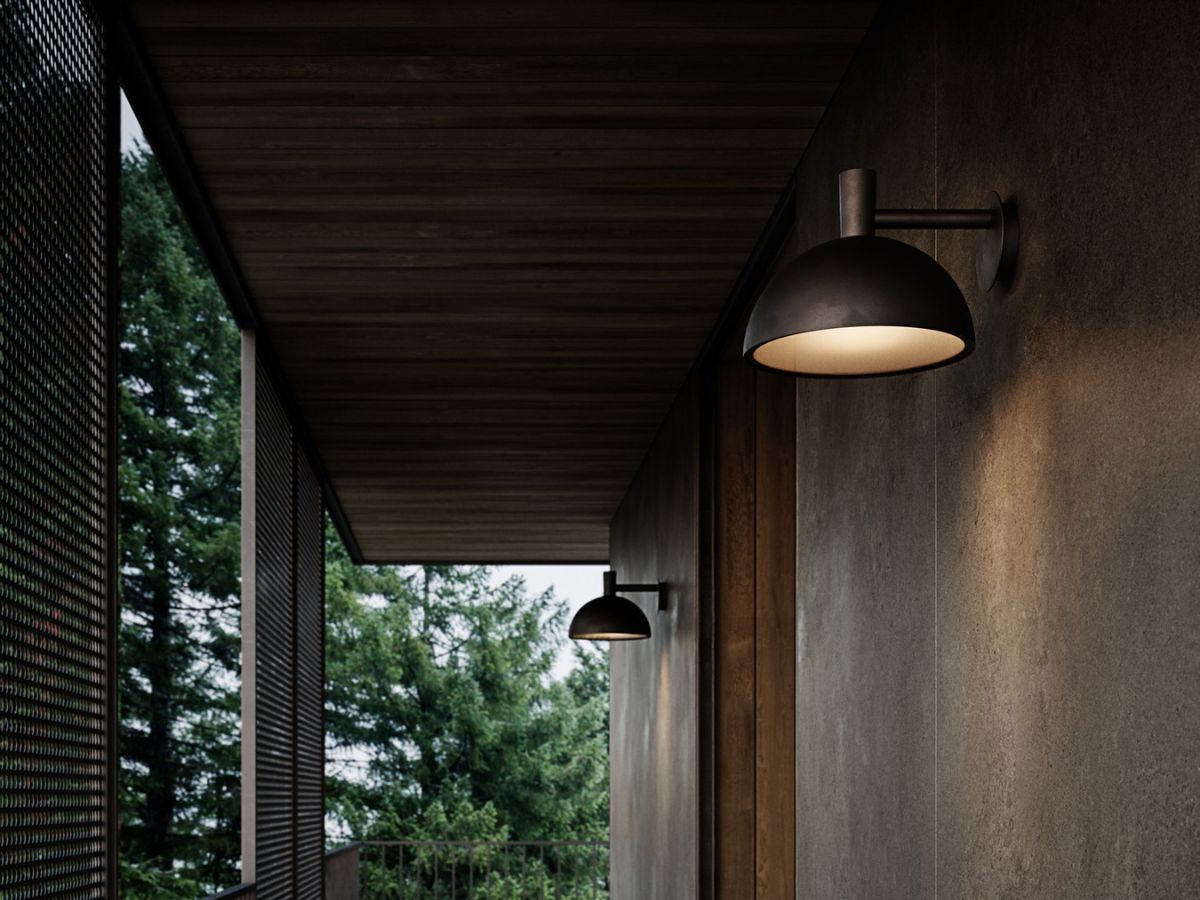
Exteriors: Use IP44 for sheltered, covered areas such as verandahs and porches. For any fitting mounted to an uncovered wall, garden bed, pathway, or exposed coastal facade, always specify IP65 or higher.

Navigating Australian Bathroom Zones
Under Australian electrical standards (AS/NZS 3000), bathrooms are divided into four dedicated safety zones based on proximity to water sources:
|
Zone |
Location & Conditions |
Minimum Requirement |
Recommended Specification |
|
Zone 0 |
Interior of the bath base or shower tray |
IPX7 (12V low-voltage / SELV only) |
Fully submersible architectural fittings |
|
Zone 1 |
Directly above the bath or shower up to 2.5m |
IPX4 |
IP65 for shower enclosures and direct spray |
|
Zone 2 |
600mm radius outside Zone 1, and surrounding vanities |
IPX4 |
IP44 for vanity wall lights and mirror sconces |
|
Outside Zones |
Remaining bathroom area beyond splash zones |
No legal minimum |
IP44 to safeguard internal drivers against ambient steam |
Note on Bathroom Ventilation: While a high IP rating protects the luminaire’s internal electrical gear from steam, consistent mechanical ventilation is what protects the exterior finish. High-capacity extraction prevents condensation from settling on metal surfaces, preserving finishes over time.
Materiality vs Ingress Protection
An IP rating indicates how well a fitting resists water penetration into its electrical housing, but it does not measure resistance to salt air or corrosion.
For properties located in coastal environments, an IP65 aluminium fitting can still suffer from surface pitting if the alloy is not engineered for coastal conditions. Pair high IP ratings with naturally corrosion-resilient materials like solid brass, 316 marine-grade stainless steel, copper, bronze, or concrete. These materials withstand salt air and develop an organic patina over time.
Bringing It All Together
Clarifying where a fitting sits, from an AS/NZS bathroom zone to an unsheltered exterior wall, makes wet-area compliance straightforward. Match the location to its required rating, verify the casing material for the climate, and your lighting will deliver both architectural impact and lasting performance.